n this tutorial, you’ll learn how to integrate Workday with Azure Active Directory (Azure AD). When you integrate Workday with Azure AD, you can:
- Control in Azure AD who has access to Workday.
- Enable your users to be automatically signed-in to Workday with their Azure AD accounts.
- Manage your accounts in one central location – the Azure portal.
Prerequisites
To get started, you need the following items:
- An Azure AD subscription. If you don’t have a subscription, you can get a free account.
- Workday single sign-on (SSO) enabled subscription.
Scenario description
In this tutorial, you configure and test Azure AD SSO in a test environment.
- Workday supports SP initiated SSO.
- Once you configure Workday you can enforce Session Control, which protect exfiltration and infiltration of your organization’s sensitive data in real-time. Session Control extend from Conditional Access.
Adding Workday from the gallery
To configure the integration of Workday into Azure AD, you need to add Workday from the gallery to your list of managed SaaS apps.
- Sign in to the Azure portal using either a work or school account, or a personal Microsoft account.
- On the left navigation pane, select the Azure Active Directory service.
- Navigate to Enterprise Applications and then select All Applications.
- To add new application, select New application.
- In the Add from the gallery section, type Workday in the search box.
- Select Workday from results panel and then add the app. Wait a few seconds while the app is added to your tenant.
Configure and test Azure AD single sign-on for Workday
Configure and test Azure AD SSO with Workday using a test user called B.Simon. For SSO to work, you need to establish a link relationship between an Azure AD user and the related user in Workday. Get more info From Workday Software Training
To configure and test Azure AD SSO with Workday, complete the following building blocks:
- Configure Azure AD SSO to enable your users to use this feature.
- Create an Azure AD test user to test Azure AD single sign-on with B.Simon.
- Assign the Azure AD test user to enable B.Simon to use Azure AD single sign-on.
- Configure Workday to configure the SSO settings on application side.
- Create Workday test user to have a counterpart of B.Simon in Workday that is linked to the Azure AD representation of user.
- Test SSO to verify whether the configuration works.
Configure Azure AD SSO
Follow these steps to enable Azure AD SSO in the Azure portal.
- In the Azure portal, on the Workday application integration page, find the Manage section and select Single sign-on.
- On the Select a Single sign-on method page, select SAML.
- On the Set up Single Sign-On with SAML page, click the edit/pen icon for Basic SAML Configuration to edit the settings.
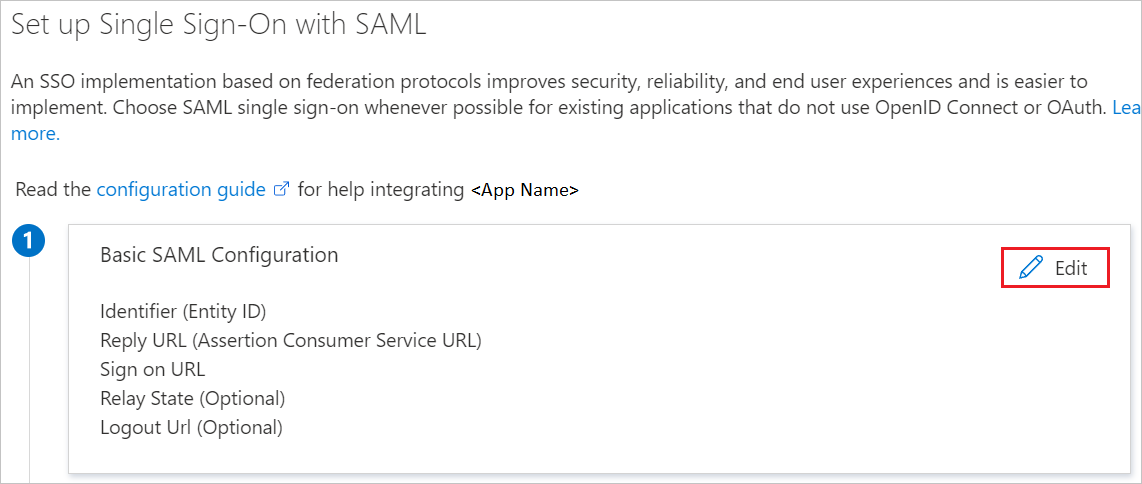
- On the Basic SAML Configuration page, enter the values for the following fields:a. In the Sign-on URL text box, type a URL using the following pattern:
https://impl.workday.com/<tenant>/login-saml2.flexb. In the Identifier text box, type a URL using the following pattern:http://www.workday.comc. In the Reply URL text box, type a URL using the following pattern:https://impl.workday.com/<tenant>/login-saml.htmldNoteThese values are not the real. Update these values with the actual Sign-on URL and Reply URL. Your reply URL must have a subdomain for example: www, wd2, wd3, wd3-impl, wd5, wd5-impl). Using something likehttp://www.myworkday.comworks buthttp://myworkday.comdoes not. Contact Workday Client support team to get these values. You can also refer to the patterns shown in the Basic SAML Configuration section in the Azure portal. Get more skills from Workday Course - Your Workday application expects the SAML assertions in a specific format, which requires you to add custom attribute mappings to your SAML token attributes configuration. The following screenshot shows the list of default attributes, where as nameidentifier is mapped with user.userprincipalname. Workday application expects nameidentifier to be mapped with user.mail, UPN, etc., so you need to edit the attribute mapping by clicking on Edit icon and change the attribute mapping.
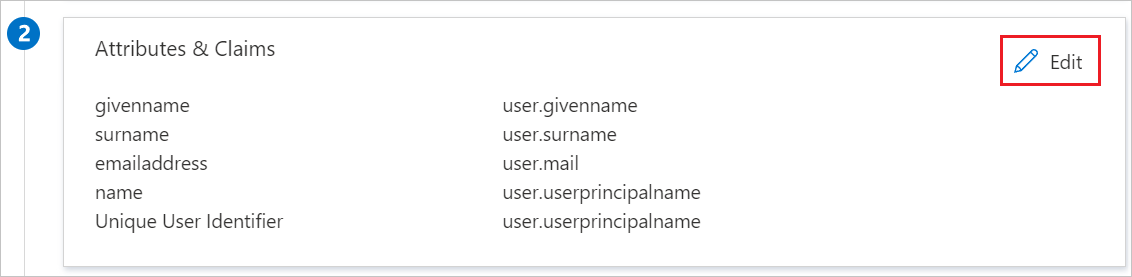 NoteHere we have mapped the Name ID with UPN (user.userprincipalname) as default. You need to map the Name ID with actual User ID in your Workday account (your email, UPN, etc.) for successful working of SSO.
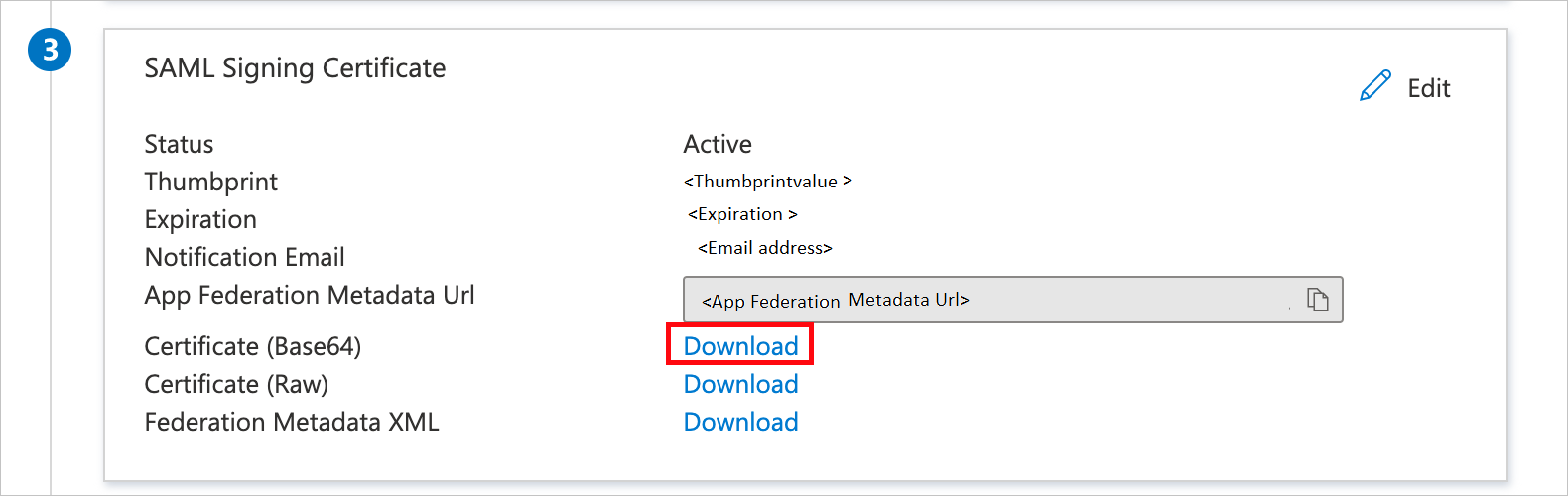
 - On the Set up Single Sign-On with SAML page, in the SAML Signing Certificate section, find Certificate (Base64) and select Download to download the certificate and save it on your computer.
- To modify the Signing options as per your requirement, click Edit button to open SAML Signing Certificate dialog.
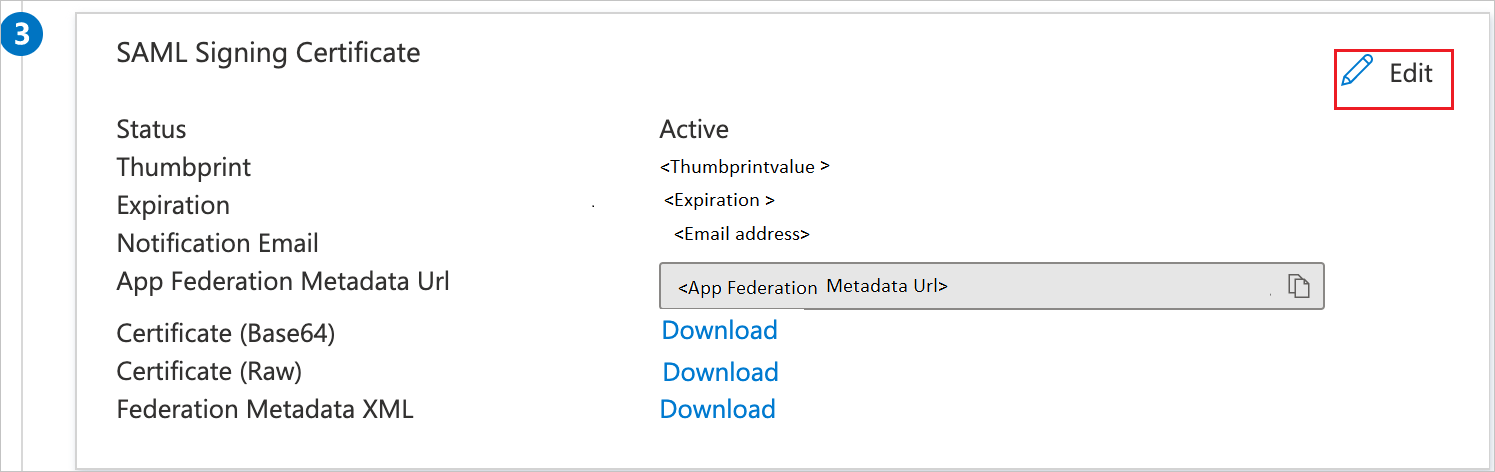
 a. Select Sign SAML response and assertion for Signing Option.b. Click Save
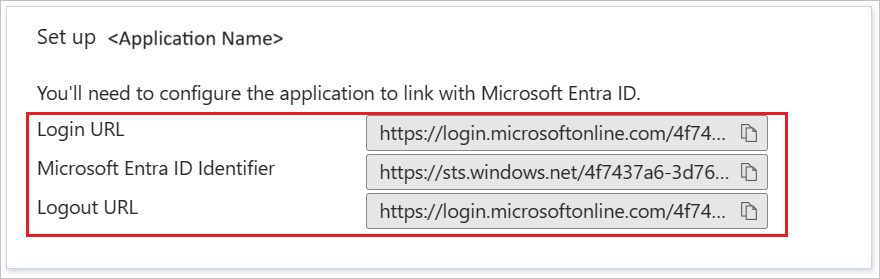
 - On the Set up Workday section, copy the appropriate URL(s) based on your requirement.
Create an Azure AD test user
In this section, you’ll create a test user in the Azure portal called B.Simon.
- From the left pane in the Azure portal, select Azure Active Directory, select Users, and then select All users.
- Select New user at the top of the screen.
- In the User properties, follow these steps:
- In the Name field, enter
B.Simon. - In the User name field, enter the username@companydomain.extension. For example,
B.Simon@contoso.com. - Select the Show password check box, and then write down the value that’s displayed in the Password box.
- Click Create. Learn more from Workday Studio training
- In the Name field, enter
Assign the Azure AD test user
In this section, you’ll enable B.Simon to use Azure single sign-on by granting access to Workday.
- In the Azure portal, select Enterprise Applications, and then select All applications.
- In the applications list, select Workday.
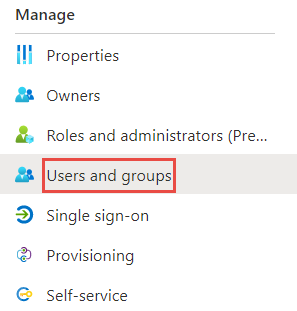
- In the app’s overview page, find the Manage section and select Users and groups.
- Select Add user, then select Users and groups in the Add Assignment dialog.

- In the Users and groups dialog, select B.Simon from the Users list, then click the Select button at the bottom of the screen.
- If you’re expecting any role value in the SAML assertion, in the Select Role dialog, select the appropriate role for the user from the list and then click the Select button at the bottom of the screen.
- In the Add Assignment dialog, click the Assign button.
Configure Workday
- In a different web browser window, sign in to your Workday company site as an administrator.
- In the Search box search with the name Edit Tenant Setup – Security on the top left side of the home page.

- In the Redirection URLs section, perform the following steps:
 a. Click Add Row.b. In the Login Redirect URL, Timeout Redirect URL and Mobile Redirect URL textbox, paste the Login URL which you have copied from the Set up Workday section of Azure portal.c. In the Logout Redirect URL textbox, paste the Logout URL which you have copied from the Set up Workday section of Azure portal.d. In Used for Environments textbox, select the environment name. NoteThe value of the Environment attribute is tied to the value of the tenant URL:
the Environment attribute must be set to Implementation.
-If the domain name starts with something else, you need to contact Workday Client support team to get the matching Environment value. - In the SAML Setup section, perform the following steps:
 a. Select Enable SAML Authentication.b. Click Add Row.
To get in-depth knowledge enroll for a live free demo on Workday Integration Training
 Tableau Learners